
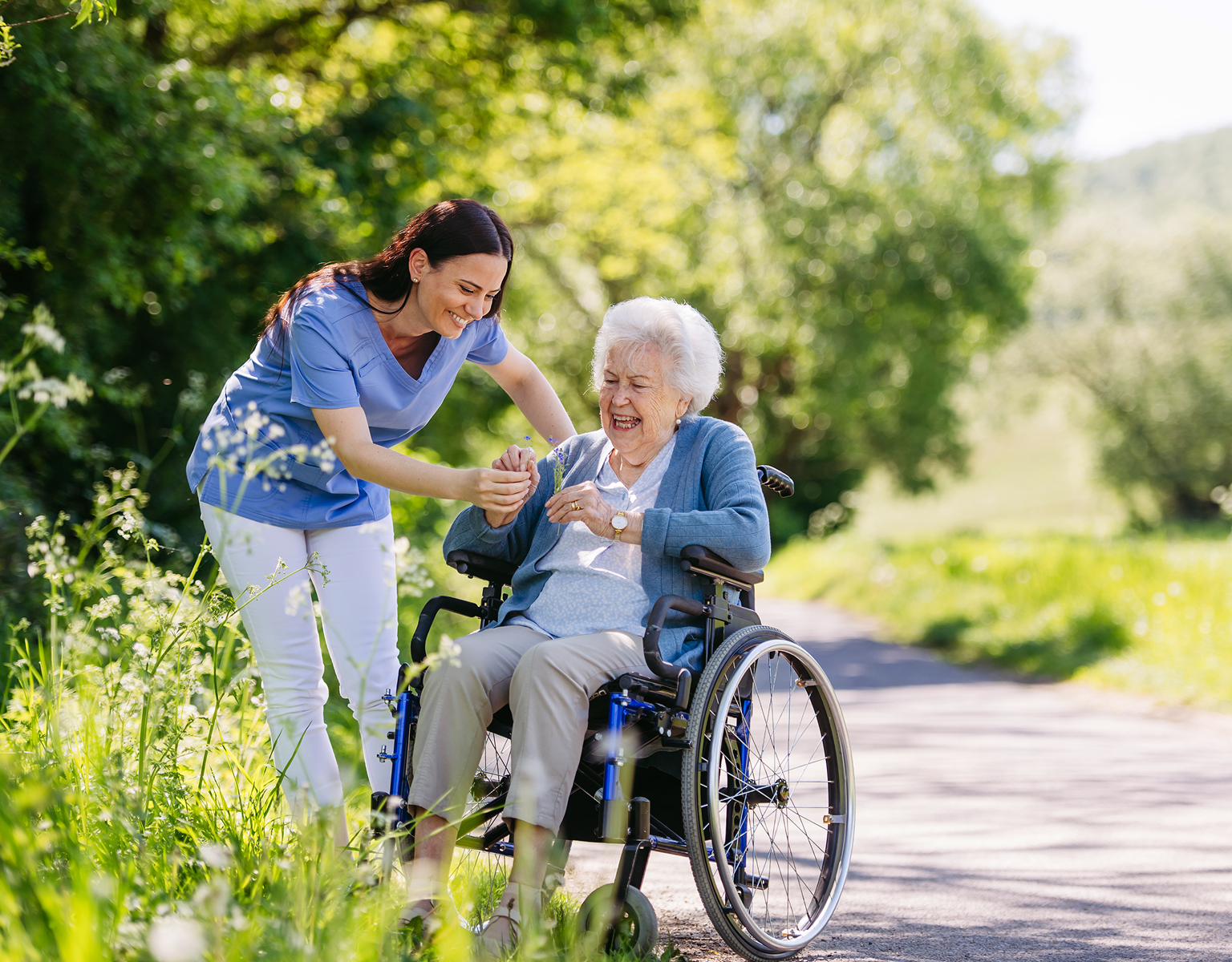
Daily Activities Home Health Caregivers Can Help With
In today’s fast-paced world, many individuals and families find themselves in need of assistance with daily activities, especially when it comes to caring for elderly or disabled loved ones. Home health caregivers play a crucial role in providing support, ensuring that individuals can maintain their independence and quality of life. In this blog, we will explore the top 10 daily activities that home health caregivers can assist with, highlighting their importance and the positive impact they have on the lives of those they care for.
1. Personal Care
One of the primary responsibilities of home health caregivers is assisting with personal care. This includes activities such as bathing, grooming, and dressing. For individuals with mobility issues or chronic illnesses, these tasks can be challenging. Caregivers provide the necessary support to ensure that personal hygiene is maintained, which is essential for overall health and well-being. They can also help with oral care, skincare, and hair care, promoting a sense of dignity and self-esteem.
2. Medication Management
Managing medications can be a daunting task for many individuals, particularly those with multiple prescriptions. Home health caregivers can help by organizing medications, reminding clients when to take them, and ensuring that they are taken as prescribed. This support is crucial in preventing medication errors and ensuring that individuals adhere to their treatment plans, ultimately leading to better health outcomes.
3. Mobility Assistance
For individuals with limited mobility, getting around the home can be a significant challenge. Home health caregivers can provide assistance with walking, transferring from bed to chair, and using mobility aids such as walkers or wheelchairs. They can also help with exercises and physical therapy routines, promoting strength and mobility. This support not only enhances physical well-being but also boosts confidence and independence.
4. Companionship
Loneliness and social isolation can have detrimental effects on mental health, particularly for seniors. Home health caregivers offer companionship, providing emotional support and engaging in meaningful conversations. They can participate in activities such as playing games, reading, or simply sharing stories, helping to alleviate feelings of loneliness. This social interaction is essential for maintaining mental and emotional well-being.
5. Light Housekeeping
Maintaining a clean and organized living environment is important for health and safety. Home health caregivers can assist with light housekeeping tasks, such as dusting, vacuuming, laundry, and dishwashing. By helping to keep the home tidy, caregivers contribute to a comfortable and safe living space, reducing the risk of accidents and promoting overall well-being.
6. Health Monitoring
Home health caregivers are often trained to monitor vital signs and recognize changes in a client’s health status. They can track blood pressure, heart rate, and other important health indicators, reporting any concerns to family members or healthcare professionals. This proactive approach to health monitoring can lead to early intervention and better management of chronic conditions, ultimately improving quality of life.
7. Respite Care for Family Caregivers
Family members who provide care for their loved ones often experience caregiver burnout. Home health caregivers can offer respite care, allowing family caregivers to take a much-needed break. This support is essential for maintaining the well-being of both the caregiver and the individual receiving care. By providing temporary relief, caregivers can help families recharge and continue to provide quality care in the long run.
Conclusion
Home health caregivers play an invaluable role in supporting individuals with daily activities, enhancing their quality of life and promoting independence. From personal care and meal preparation to companionship and health monitoring, caregivers provide essential services that allow individuals to thrive in their own homes. As the demand for home health care continues to grow, it is important to recognize the significant impact these caregivers have on the lives of those they serve. By understanding the various ways in which caregivers can assist, families can make informed decisions about the support their loved ones need, ensuring that they receive the best possible care.
In a world where the need for compassionate and skilled care is ever-increasing, home health caregivers stand as a beacon of hope, providing not just assistance, but also companionship, dignity, and respect to those they care for. Whether you are considering hiring a caregiver for yourself or a loved one, understanding the breadth of their capabilities can help you make the best choice for your unique situation. Reach out to book a service now.
